
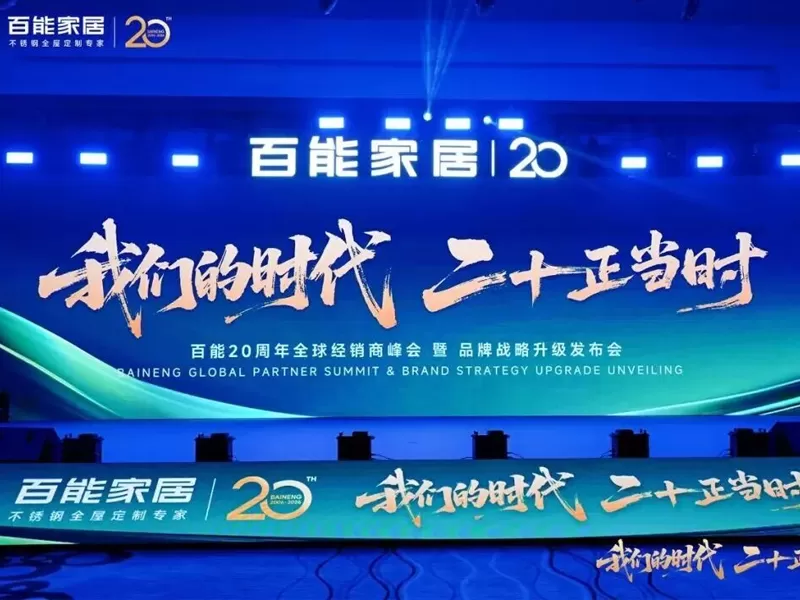
Twenty years is a milestone — and, more importantly, a new starting point. On May 18, the Baineng 20th Anniversary Global Dealer Summit and Brand Strategy Upgrade Launch Event came to a successful close. This grand occasion was not only Baineng's heartfelt retrospective of two decades of dedicated craftsmanship, but also a firm declaration facing the future. Standing at the 20-year juncture, with brand upgrade as its engine and the posture of an industry leader, Baineng officially embarked on the journey of its next twenty years.
The home furnishing industry is at a critical stage of structural restructuring. Intensifying stock competition, stratified consumer demand, and rising industry concentration have converged to form the defining characteristics of a mature market. Against this backdrop, the healthy home furnishing segment is heating up against the trend — driven by both policy dividends and consumption upgrade, while breakthroughs in new material technologies have opened up unprecedented possibilities for stainless steel customization.
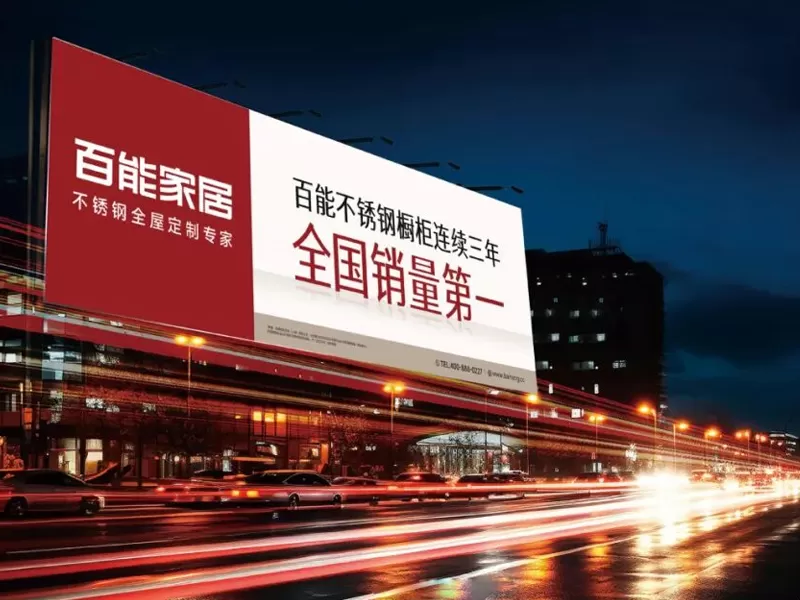
Market data validates this judgment. The stainless steel home furnishings segment has achieved a compound growth rate of 20%. In 2025, Baineng's performance grew by 36%, far outpacing the industry average. Whole-home customization accounted for 42% of its business and continues to climb, while the customer referral rate reached 46% — a figure that leads the industry by a wide margin. All these indicators point to one conclusion: the golden window for stainless steel custom home furnishings has already taken shape.
As the segment approaches its inflection point of explosive growth, the ability to define the playing field itself becomes the most fundamental competitive moat.
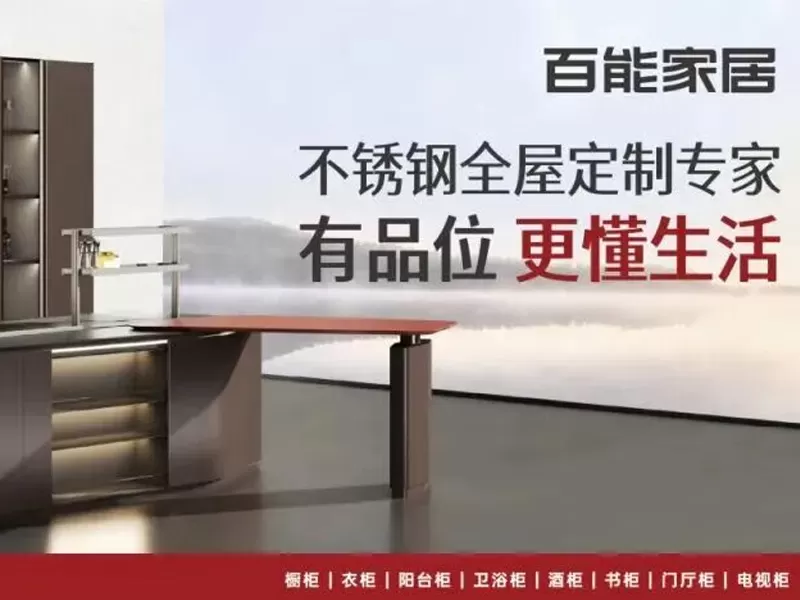
The essence of brand positioning is cognitive ownership. Baineng's new positioning—"Stainless Steel Whole-Home Customization Expert"—is not merely an upgrade in expression, but a strategic elevation.
The "Expert" positioning is first reflected in strategic resolve—"unwavering focus on the stainless steel category." Baineng's twenty-year unwavering commitment to the stainless steel track is not stubborn persistence; rather, it is about penetrating and mastering a vertical domain, building competitive barriers through professional depth.
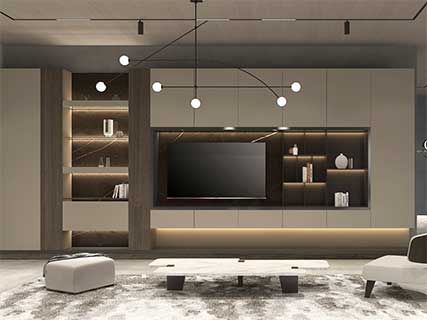
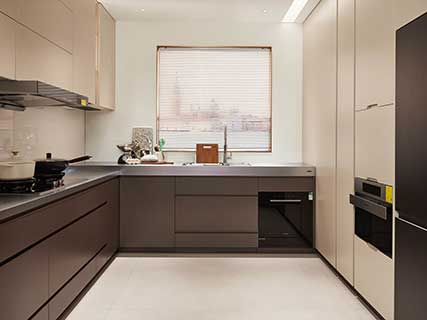
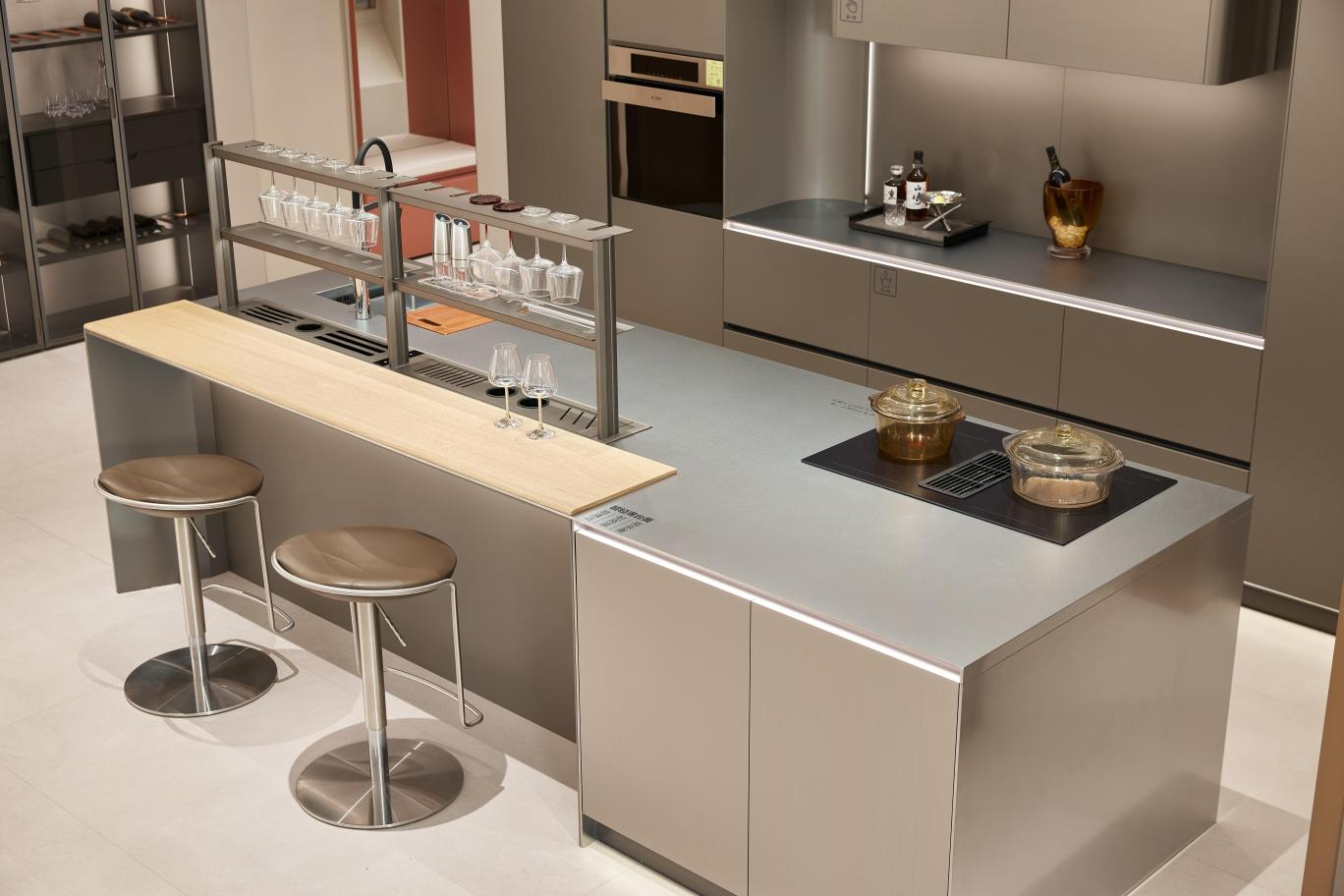
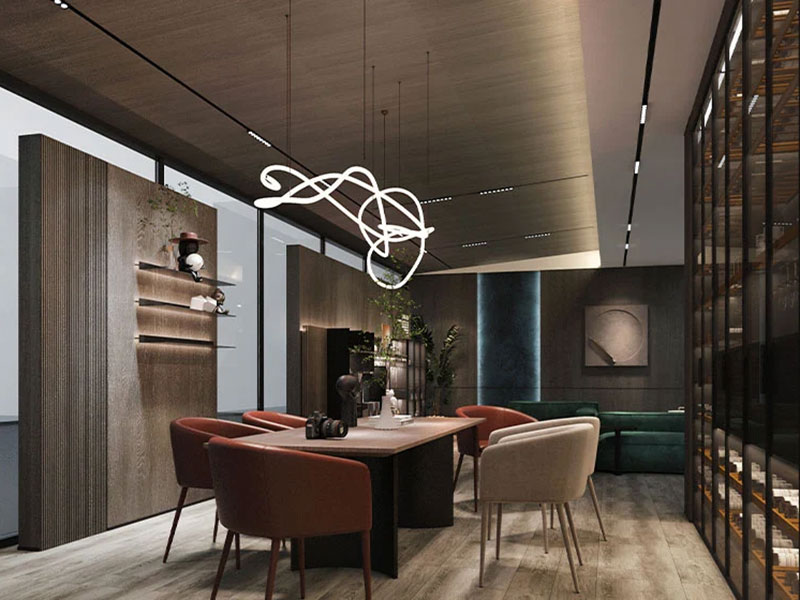
Second is the extension of the product category. In the past, the cognitive label "stainless steel home furnishings" primarily pointed to localized scenarios such as kitchen cabinets. The upgraded "whole-home customization" positioning marks the brand's completion of a capability leap from individual products to full-scenario coverage—encompassing living rooms, bedrooms, studies, and all whole-home spaces—breaking the industry stereotype that "stainless steel is only suitable for kitchens."
Third is the transition of attributes. Moving from "high-end customization" to "expert" is not a mere label swap, but an evolution in value logic. In mature markets, consumer trust no longer stems from status symbols, but from verifiable professional capabilities. With its "expert" positioning, Baineng conveys technological accumulation and industry leadership.
Baineng's twenty-year focus on stainless steel customization is precisely for the purpose of making the word "expert" real, deep, and thorough. We have distilled twenty years of accumulation into a five-dimensional value system that is tangible and trustworthy: odor-free, antibacterial technology, mortise-and-tenon craftsmanship, on-time delivery, and aesthetic design.
The five-dimensional value system takes health and safety as its cornerstone, quality craftsmanship as its framework, service experience as its assurance, and design aesthetics as its elevation. Together, they fully support the strategic positioning of "Stainless Steel Whole-Home Customization Expert," collectively forming the systematic underpinning of the brand's professional stature.
The upgrade of brand visual identity is, in essence, a barrier-breaking project at the cognitive level.
The material "stainless steel" has long been associated in consumers' minds with the stereotype of being "cold and rigid." Breaking this cognitive liability is the core challenge that visual upgrade must address.
In terms of brand visuals, Baineng has rebuilt a unified, premium, and memorable visual language through upgrades to both its Chinese and English logos and the reshaping of its brand color palette—including Earth Brown and Baineng Red—making the VI softer, warmer, and better aligned with its international positioning.
A brand is no longer the asset of a single enterprise, but a value system that grows jointly with users, partners, and channels. The vitality of the ecosystem determines the upper limit of the brand's value.
Baineng's brand ecosystem strategy comprises two core dimensions.
The first dimension is the power to define industry standards. In the past, leading the segment relied on products and technology; today, defining the industry relies on standards and responsibility. The responsibility of a leading brand extends beyond growing its own market share—it lies in mapping out the runway and charting the direction for the industry, driving the standardization and high-quality development of stainless steel custom home furnishings.
The second dimension is the co-creation mechanism of user value. The construction of four major marketing IPs transforms consumers from passive purchasers into participants and co-creators of the brand ecosystem. The Quality Life Festival turns users into ambassadors of fine quality; the Stainless Steel Cabinet Festival transforms the brand's anniversary into a user celebration; the Customer Service Season extends service from after-sales into emotional connection; and the Antibacterial Festival joins forces with social welfare to build a fortress of family health. This shift from "B-side dominance" to "C-side co-creation" is the core guarantee of the brand ecosystem's vitality.
In a market environment marked by decentralized communication and fragmented channels, an omnichannel layout has become the inevitable choice for ecosystem reach. Online e-commerce platforms capture precise traffic; content platforms spark user interest; and the in-store new media system closes the loop between traffic acquisition and lead conversion. The three work in synergy to form a multi-dimensional connection network between brand and user.
A brand upgrade is not an internal manifesto, but Baineng's delivery promise to the industry and to users.
On the industry side, Baineng redefines the competitive runway of stainless steel home furnishings with its "expert" identity. Moving beyond the elementary game of material substitution, it elevates the playing field to high-dimensional competition defined by whole-home system capabilities, health standard systems, and service closed-loops. What Baineng aims to do is not to walk alone, but to pave the way—guiding the industry from disorder to standardization, and giving latecomers a path to follow.
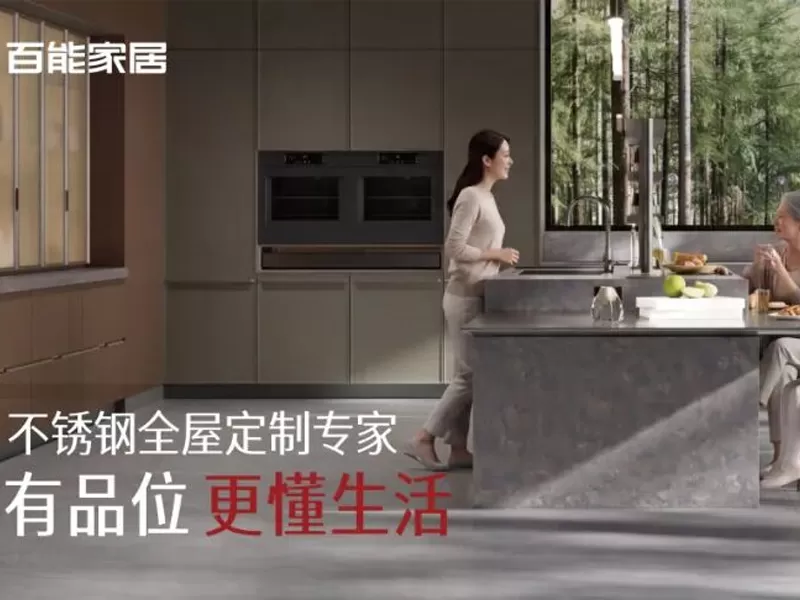
On the user side, what Baineng delivers is a worry-free, time-saving, and timeless living solution. One-stop whole-home configuration puts an end to the pain of piecing together multiple brands, materials, and after-sales services. Health claims are backed by evidence, turning antibacterial standards from vague concepts into verifiable quality. Design strikes a balance between aesthetics and durability, so there is no need to choose between beauty and practicality. With stainless steel's moisture-resistant, mold-resistant, and durable properties, a single customization serves a life cycle of ten years or more.
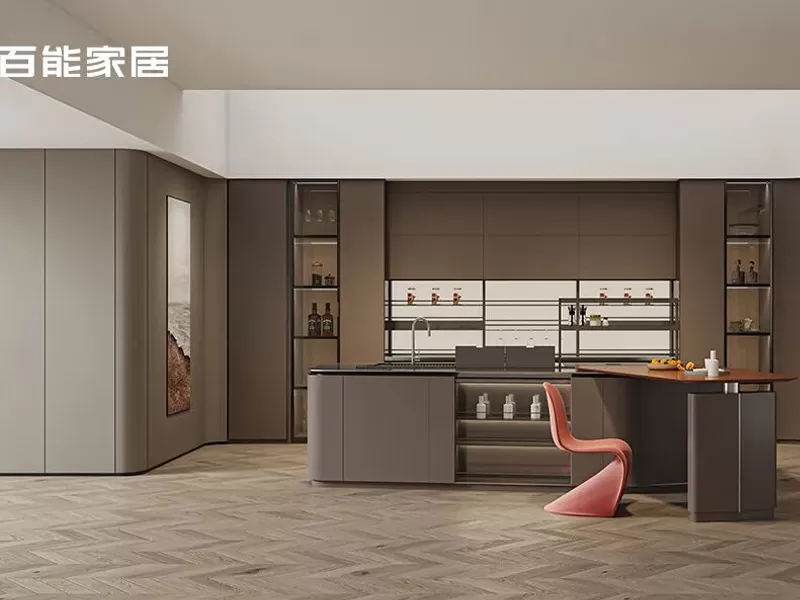
This is the direction of Baineng's strategy upgrade: not offering more expensive cabinets, but delivering more certain quality; not creating more choices, but reducing users' choice costs; not promoting hollow "high-end" labels, but delivering tangible "professionalism." Our mission remains unchanged: "To enable hundreds of millions of families around the world to have access to healthy, high-quality stainless steel home furnishings."

 English