
A stainless steel cabinet is a storage unit whose frame, panels and hardware are made primarily from stainless steel, most commonly Grade 304 or 316. Unlike traditional wood, MDF or particleboard cabinetry, stainless steel cabinets are engineered to resist water, fire, corrosion and pests, making them the preferred choice for environments where hygiene, durability and long-term performance are non-negotiable.
Once limited to commercial kitchens and laboratories, stainless steel cabinetry has rapidly entered the residential market. Advances in surface finishing, color coating and panel technology now allow stainless steel cabinets to match virtually any interior style, from minimalist modern to warm contemporary, without sacrificing the material's inherent performance advantages.
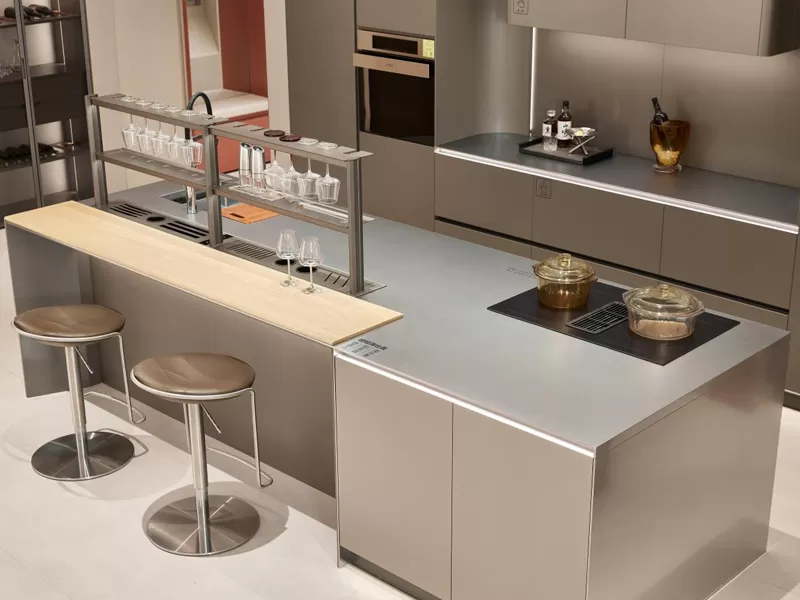
The fundamental difference lies in the base material. A stainless steel cabinet uses a welded or bolted structural frame with panels formed from cold-rolled stainless steel sheet. This gives the cabinet several properties that wood-based alternatives simply cannot match:
Zero water absorption: stainless steel does not swell, warp or delaminate when exposed to moisture, making it ideal for kitchens, bathrooms and coastal environments.
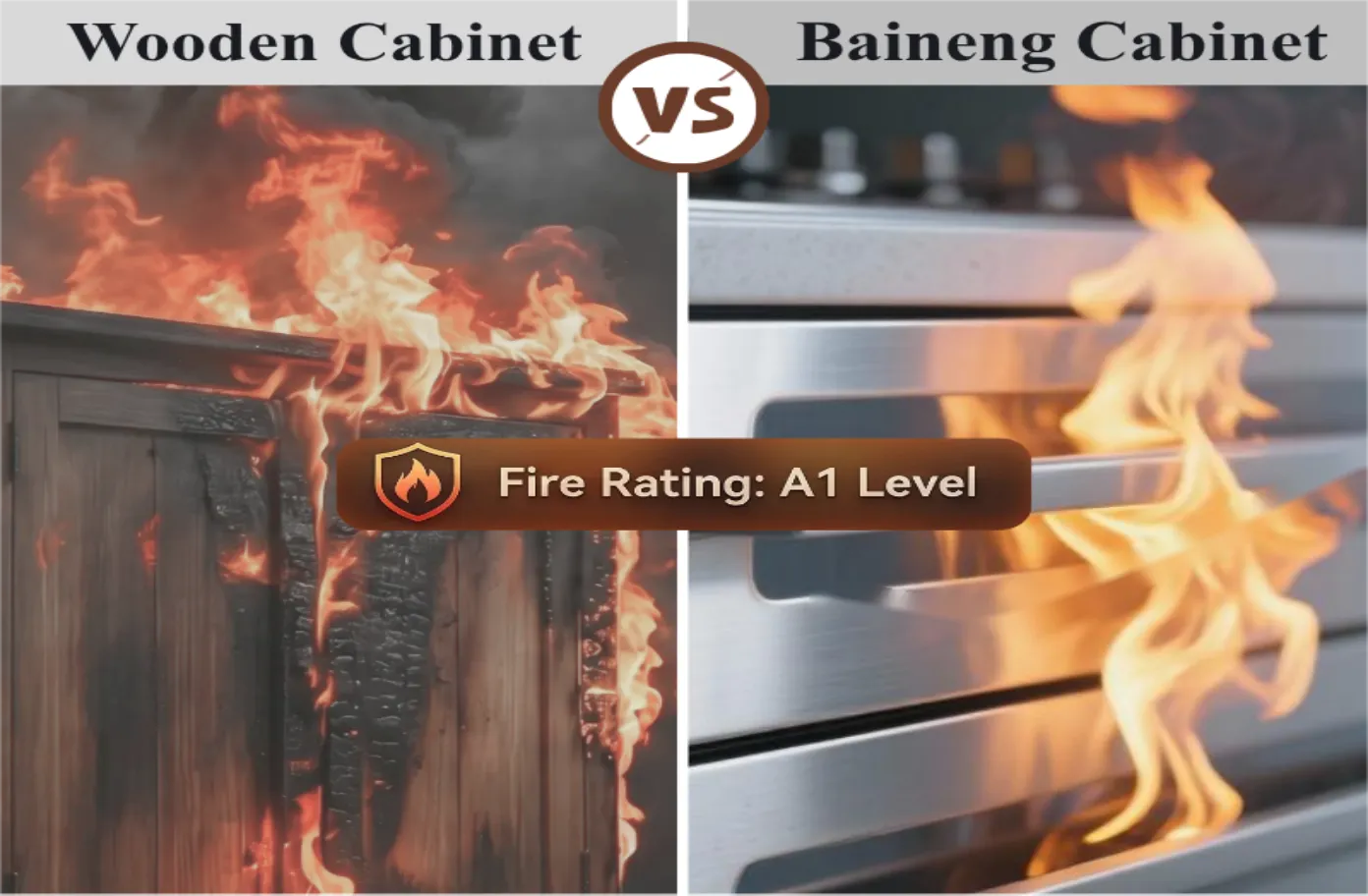
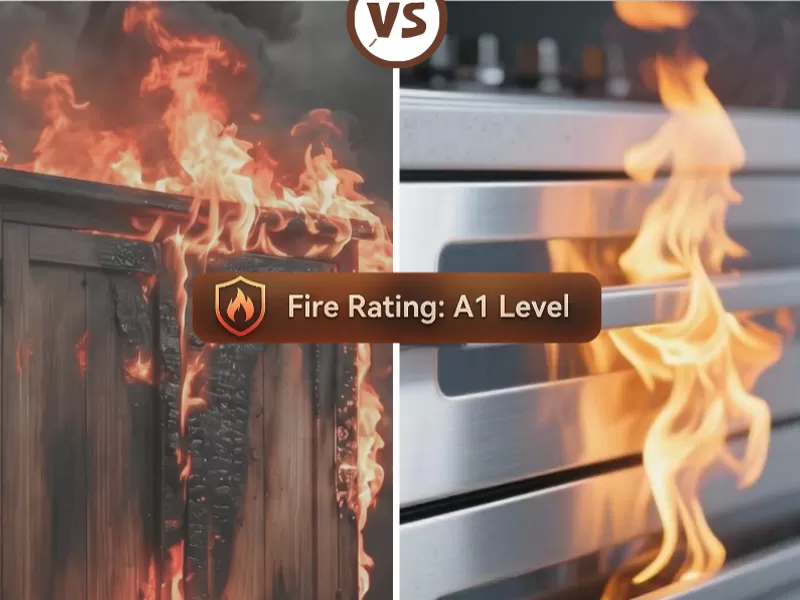
Fire resistance: the material does not ignite, melt or release toxic fumes at normal cooking temperatures.
Termite and pest proof: no organic material means no food source for insects or rodents.
Zero formaldehyde: unlike MDF or particleboard, stainless steel emits no VOCs or formaldehyde, contributing to healthier indoor air quality.
100% recyclable: at end of life, stainless steel can be fully recycled without loss of quality, supporting circular economy goals.
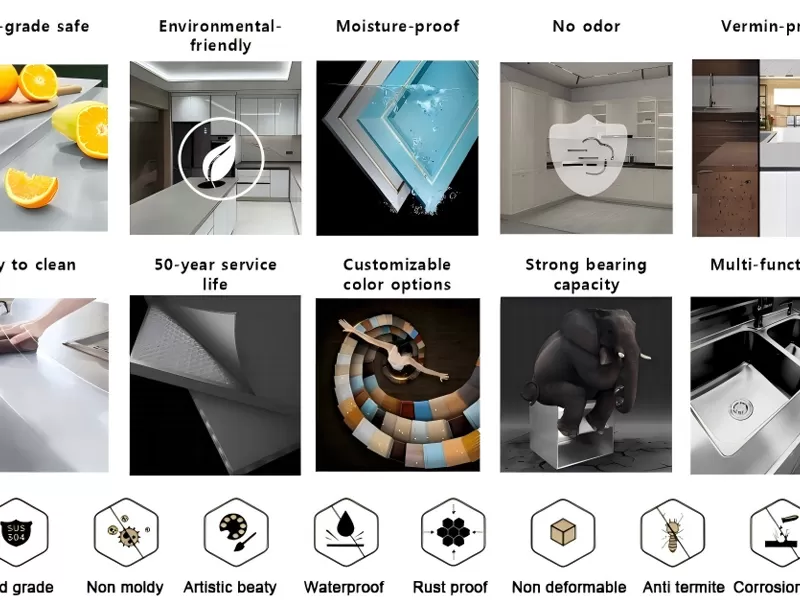
1. Unmatched Durability and Longevity
Stainless steel cabinets typically last 30 to 50 years with minimal maintenance. The material does not crack, chip or degrade over time like painted wood or laminated surfaces. With a lifespan that can exceed traditional cabinetry by two to three times, the total cost of ownership over 20 years is often lower despite a higher initial investment.
2. Complete Water and Moisture Resistance
Water is the number one enemy of wood-based cabinets. In humid climates, under-sink leaks or flood-prone areas, conventional cabinets can swell, delaminate or grow mold within months. Stainless steel is completely impervious to water, making it the definitive solution for bathrooms, laundry rooms and coastal properties where high humidity and salt air accelerate wood deterioration.
3. Hygiene and Easy Maintenance
The non-porous surface of stainless steel prevents bacteria, mold and mildew from taking hold. Cleaning requires only a damp cloth and mild detergent, with no need for special sealants or treatments. This is why stainless steel has been the standard in commercial kitchens, hospitals and laboratories for decades, and why it is increasingly popular for family homes where hygiene is a priority.
4. Fire and Heat Resistance
Stainless steel has a melting point above 1,400 degrees Celsius. In a kitchen fire or stove-top incident, the cabinet structure will not contribute fuel to the flame. This provides an additional layer of safety that no wood-based product can offer, and is especially valued in commercial kitchens and hospitality projects that must comply with strict fire codes.
5. Eco-Friendly and Sustainable
Stainless steel is one of the most recycled materials on the planet, with a global recycling rate exceeding 85%. It contains zero formaldehyde, zero VOCs and zero toxic binders. For green building certifications such as LEED or BREEAM, stainless steel cabinetry can contribute credits in the Materials and Resources and Indoor Environmental Quality categories.
Stainless steel cabinetry is no longer confined to professional kitchens. Today, it spans a wide range of residential and commercial applications:
Kitchen Cabinets: the primary application, offering a waterproof, hygienic and fire-safe alternative to wood cabinetry for the heart of the home.
Bathroom Vanities: where constant humidity and direct water contact make traditional cabinets vulnerable. Stainless steel vanities maintain structural integrity indefinitely.
Outdoor Kitchens and BBQ Islands: exposed to rain, UV and temperature swings, outdoor cabinets demand the weather resistance that only stainless steel can provide.
Wardrobes and Closets: especially in tropical and coastal regions where high humidity causes wood warping and mold growth inside wardrobes.
Commercial and Contract Projects: hotels, serviced apartments, student housing and healthcare facilities choose stainless steel for its compliance with hygiene and fire safety regulations, plus its low lifetime maintenance cost.
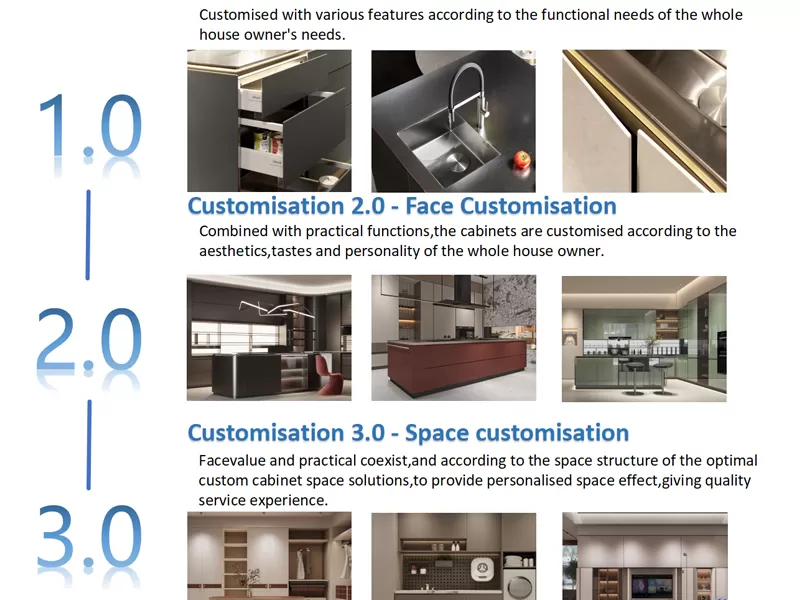
A common misconception is that stainless steel cabinets look cold or industrial. Modern manufacturing has made this a thing of the past. Today's stainless steel cabinets offer a wide variety of door panel finishes:
Brushed finish: the classic satin look with fine directional lines, fingerprint-resistant and timeless.
PVD color coating: physical vapor deposition applies durable colors such as black, gold, rose gold, gunmetal and champagne without paint that chips or fades.
Acrylic finish: a high-gloss, smooth surface available in dozens of solid colors and wood-grain patterns, bonded directly to the stainless steel substrate.
Wood-grain transfer: for homeowners who want the warm look of natural wood with the durability of steel underneath.
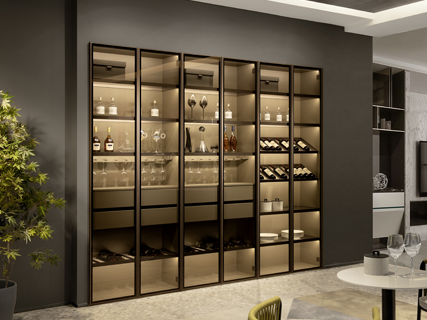
Glass panel doors: stainless steel frames paired with tempered or frosted glass for a refined, contemporary aesthetic.
The table below compares stainless steel with the three most common cabinet materials:
Feature | Stainless Steel | Solid Wood | MDF / Particleboard |
Water Resistance | 100% waterproof | Moderate, requires sealing | Poor, swells on contact |
Fire Resistance | Non-combustible | Combustible | Combustible |
Formaldehyde Emission | Zero | Low to moderate | High |
Lifespan | 30-50 years | 15-25 years | 5-15 years |
Pest Resistance | Impervious | Vulnerable to termites | Vulnerable to termites |
Maintenance | Wipe clean | Regular sealing needed | Cannot be repaired once damaged |
Recyclability | 100% recyclable | Partially recyclable | Not recyclable |
When evaluating stainless steel cabinets, keep these factors in mind:
Steel grade: Choose 304 for standard indoor use, 316 for coastal or outdoor applications.
Panel thickness: Look for door panels of at least 0.6 mm and cabinet bodies of at least 0.5 mm for structural integrity.
Welding quality: Fully welded corners are stronger than bolted or riveted joints. Inspect for consistent, clean welds.
Finish and color: Match the finish to your interior style. PVD and acrylic finishes offer the widest color range with the best durability.
Hardware and accessories: Soft-close hinges, full-extension drawer slides and adjustable shelving are standard in quality stainless steel cabinetry.
Warranty: a manufacturer offering a 30-year structural warranty signals confidence in product longevity.
Stainless steel cabinets represent a fundamental upgrade over traditional cabinetry materials. They deliver superior performance in water resistance, fire safety, hygiene and longevity, while modern finishes ensure they look as refined as any premium wood or lacquer cabinet. For homeowners in humid or coastal regions, dealers seeking a differentiated product, or project buyers needing compliance-grade materials, stainless steel cabinetry is not just an alternative, it is the most reliable long-term investment for any space that demands both beauty and performance.

 English